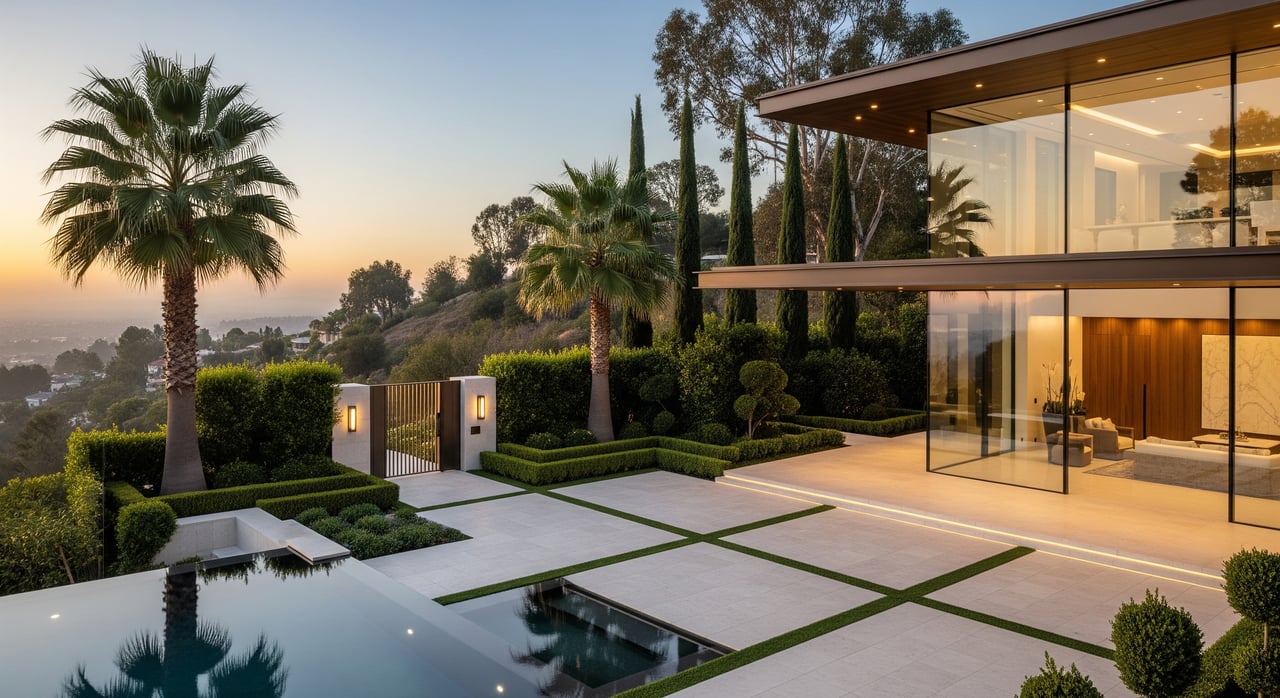
What does ultra-luxury really mean in Beverly Hills? It is more than a big price tag. It is a rare blend of scale, privacy, pedigree, and setting that you can feel from the moment you arrive at the gates. If you are buying or selling at this level, you want to recognize the value drivers that truly set a home apart.
In this guide, you will learn the core attributes that define ultra-luxury in Beverly Hills, how those attributes shape valuation, and what to consider as you plan a purchase or sale. Let’s dive in.
Ultra-luxury, defined locally
Ultra-luxury is a relative, market-specific tier. In Beverly Hills, it generally refers to properties at the very top of the local price distribution, often the top 1 percent or even top 0.1 percent by price. Because Beverly Hills sits above typical luxury thresholds, many in the industry treat homes starting in the low-to-mid tens of millions, and rising into the high eight figures and beyond, as ultra-luxury here.
The threshold shifts with market cycles, inventory, and micro-pocket dynamics. To judge a specific home, focus on local comparable sales, pocket norms, and unique attributes rather than broad averages.
Core value drivers in Beverly Hills
Lot size, siting, and privacy
Large, contiguous lots are a primary marker of ultra-luxury. They allow generous footprints, guest houses, staff quarters, long private drives, and mature gardens. Elevated or set-back sites with controlled arrival sequences, motor courts, and gates create separation and presence.
Privacy is essential. Gated entries, hedges, walls, and buffer landscaping reduce exposure and help protect high-profile owners. Different pockets offer different privacy profiles, from the gated enclaves of Beverly Park to hilltop settings in Trousdale Estates and select canyon parcels, to flat-lot compounds in the Beverly Hills Flats near the retail core.
Architectural pedigree and design quality
Architectural authorship and design integrity carry real weight. Homes by renowned architects or those that represent authentic, well-preserved examples of a recognized style are highly sought after. In Beverly Hills, that can include original mid-century moderns in Trousdale, classic Spanish Revival or Beaux-Arts estates, or exceptional new builds with bespoke detailing and world-class execution.
Rarity matters. Collectible works or rare typologies for a pocket often command a premium, especially when the design is tailored to the site and the surrounding micro-neighborhood.
Streets, micro-pockets, and locational prestige
Beverly Hills is a collection of distinct micro-markets. The Beverly Hills Flats offer wide, walkable streets and central access. Trousdale Estates is known for view lots and mid-century pedigree. Beverly Park is a gated enclave of large estates. Benedict and Coldwater Canyon areas offer varied topography and seclusion. The Beverly Hills Post Office area carries 90210 addresses with different jurisdictional nuances.
Within these pockets, certain streets and blocks have outsized prestige. Private roads, cul-de-sacs, and named enclaves can influence pricing. Proximity to destination retail and dining appeals to some buyers, while others prioritize maximum seclusion even if it adds drive time.
Provenance and ownership history
Provenance can accelerate demand. A well-documented ownership history, links to notable residents, or historic significance can add intangible value and media visibility. Detailed records of design, restoration, and chain of title increase buyer confidence and support premium pricing.
Amenities, program, and serviceability
The amenity set at this tier is both comprehensive and highly specified. Expect multiple primary suites, guest houses, staff and chauffeur accommodations, a chef’s kitchen, screening room, wine storage, spa and fitness facilities, resort-quality pool and outdoor living, and garages that can handle collections. Behind the scenes, top-tier mechanical, acoustical, audiovisual, HVAC, and security systems matter, along with redundancies like generators and water storage.
Serviceability is part of luxury. Independent staff circulation, discreet service access, and well-planned back-of-house areas influence operations, costs, and long-term livability.
Views, orientation, and natural features
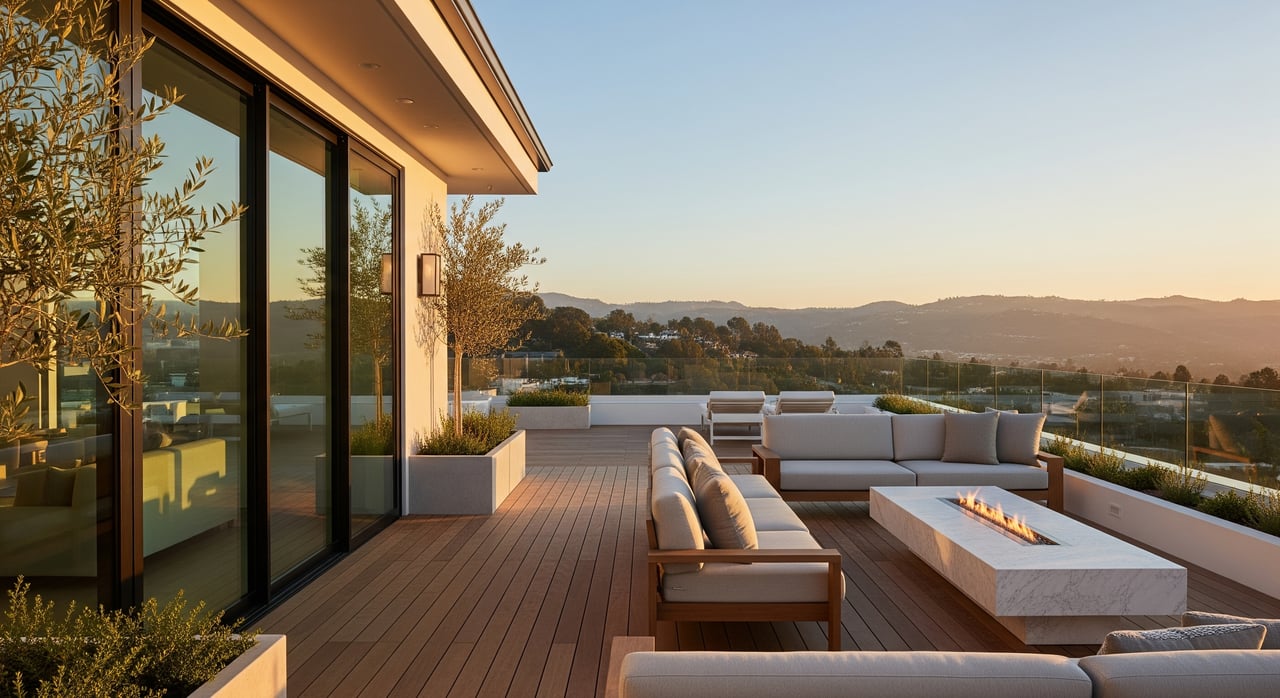
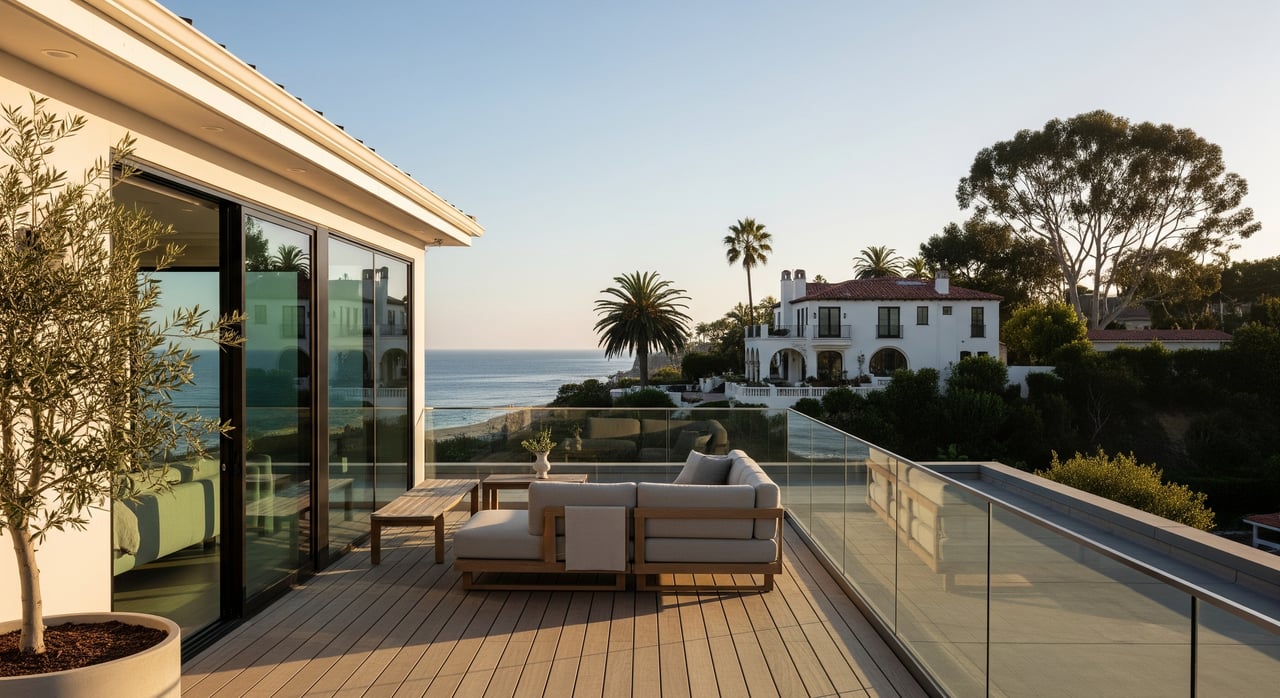
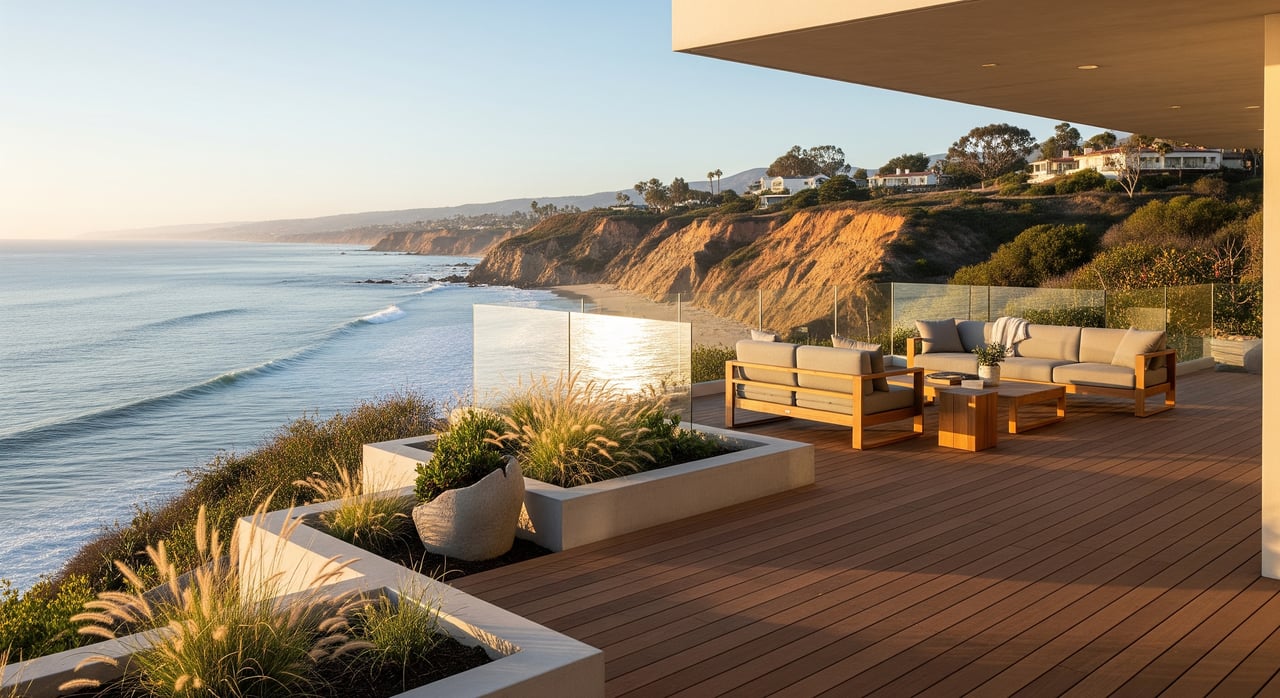
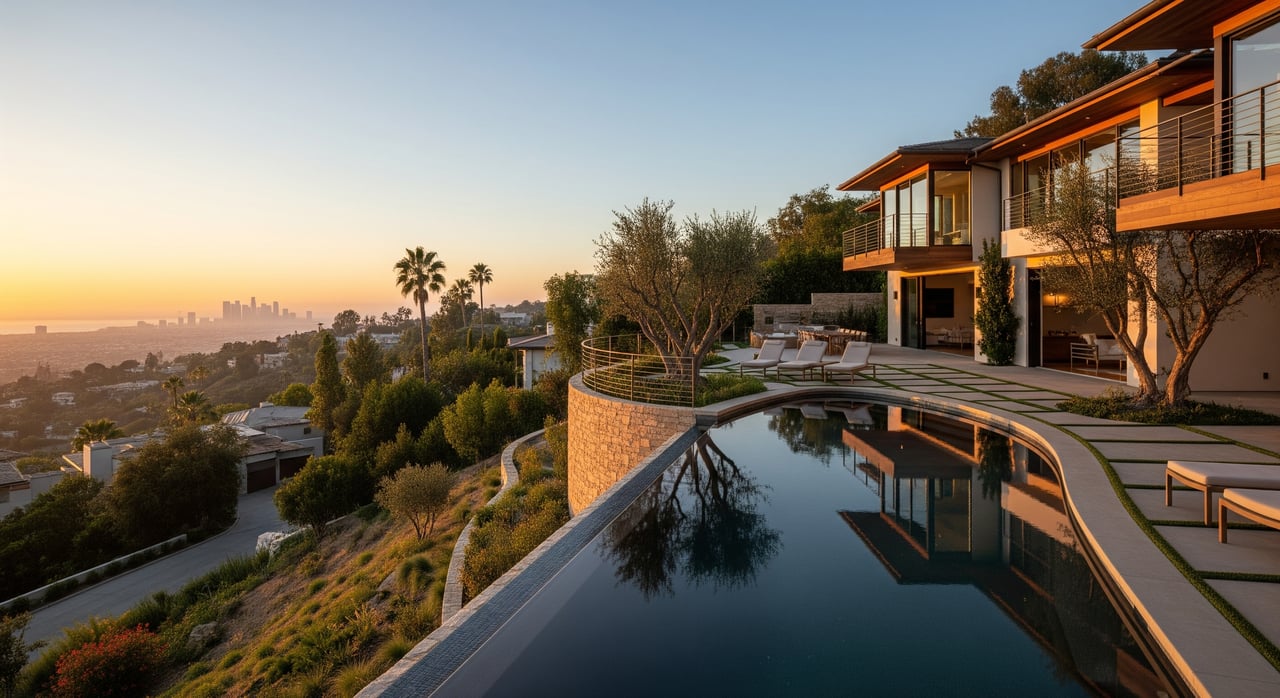
View types carry distinct premiums. Panoramic city views to the skyline, canyon and ridgeline outlooks, and rare ocean glimpses each read differently in the market. Orientation that balances view capture with solar control is prized, and mature landscaping that preserves sightlines while adding privacy is a plus. Nighttime city lights are a standout marketing feature and a common resale driver.
Market presentation and privacy
At the top of the market, discretion is often a strategy. Many ultra-luxury homes transact off-market or via private networks, with invitation-only showings and targeted outreach. Marketing tends to focus on provenance, architectural authorship, and the lived experience rather than features alone.
How valuation works at the top
No two ultra-luxury properties are the same, which makes broad statistical tools less useful. Appraisal leans on a small set of true comparable sales, replacement cost for unique assets, and perceived value to high-net-worth buyers. In Beverly Hills, scarcity of large lots, gated settings, prized views, architectural significance, and provenance often outweigh raw square footage.
Liquidity can be uneven. Marketing windows may stretch and price adjustments can occur, especially when the broader market is shifting. At the same time, a home with the right pocket, orientation, and pedigree can move quickly, sometimes off-market.
Operating costs and holding considerations matter. Buyers factor in California property taxes, supplemental assessments tied to recent purchases, and ongoing costs for insurance, landscaping, staff, and systems maintenance.
Local rules and practical realities
Beverly Hills has its own planning and building processes, and they can be stricter than nearby jurisdictions. Expect careful review for major demolitions, grading, and hillside construction. On steep sites, grading limits, retaining wall controls, and slope stability rules shape what is possible.
Historic or architecturally significant homes may face preservation review. Proposals to demolish or significantly alter such properties can invite scrutiny. In private gated communities, covenants and security protocols guide use, guest access, and even resale processes.
Permitting can take time. Large renovations or rebuilds may require extensive plan checks, utility upgrades, and mitigation for protected landscape or stormwater management, all of which add cost and time. Insurance and risk planning also matter, especially for wildfire-exposed canyons and seismic considerations.
What this means for buyers
- Prioritize the pocket and orientation first. Privacy profile, arrival experience, and view corridor often define long-term satisfaction and value.
- Verify provenance and documentation. Request original plans, permits, restoration records, and systems logs to understand integrity and future costs.
- Expect off-market opportunities. Work with a team that has deep local relationships and a private network to surface quiet offerings.
- Budget for operations. Line items can include staff, security, landscaping, pool and estate systems, insurance, and planned capital improvements.
- Evaluate serviceability. Look for discreet staff circulation, secure delivery access, and infrastructure that supports events and daily life.
- Consider future flexibility. Understand local rules for additions, grading, and tree or habitat constraints before you buy.
What this means for sellers
- Lead with the story. Highlight provenance, architectural authorship, and the experiential elements: arrival, privacy, indoor-outdoor flow, and views.
- Consider discreet strategies. Selective outreach and invitation-only showings can protect privacy while engaging qualified buyers.
- Prepare a documentation package. Organize permits, renovation records, and systems data to build trust and speed diligence.
- Price by pocket. Use hyper-local comparables and adjust for unique premiums like lot scale, view orientation, and architectural significance.
- Elevate presentation. Cinematic visuals and design-forward storytelling can help buyers fully grasp scale, light, and setting.
The BZP approach to ultra-luxury
At this level, details are everything. BZP Group pairs boutique, relationship-first service with the creative and distribution power of a leading luxury brokerage ecosystem. The team emphasizes cinematic photography and video storytelling that speak to design-minded buyers. With strong private networks and experience in discreet transactions, they surface off-market opportunities and craft targeted campaigns that respect confidentiality.
From curated launch strategies to hands-on negotiation and white-glove escrow management, the focus is on precision and results. If you are exploring a purchase or considering a sale in Beverly Hills’ ultra-luxury tier, request a private consultation with the team at BZP Group.
FAQs
What qualifies as ultra-luxury in Beverly Hills pricing?
- It is a relative tier at the very top of the local market, often the top 1 percent or 0.1 percent by price, with many properties starting in the low-to-mid tens of millions and rising well higher depending on the pocket.
How do Trousdale, the Flats, and Beverly Park differ?
- Trousdale emphasizes view lots and mid-century pedigree, the Flats offer central access on larger flat parcels, and Beverly Park provides gated seclusion with large estates and private security.
Does celebrity or historic provenance add value in Beverly Hills?
- Provenance can add intangible value and visibility, especially when documented with design records and ownership history, and it can support premiums in marketing and negotiation.
What permits or rules affect major remodels in Beverly Hills?
- Expect stricter city review for demolition, grading, and hillside work, potential historic preservation oversight, and longer permitting timelines with plan checks and required mitigations.
How are views priced at the ultra-luxury level?
- City lights, canyon and ridgeline, and rare ocean views carry different premiums, with nighttime skyline panoramas often commanding strong attention in marketing and resale.
What ongoing costs should ultra-luxury owners plan for?
- Plan for property taxes tied to purchase price, insurance, staff and security, landscaping and pool care, and maintenance or upgrades for estatescale systems and infrastructure.