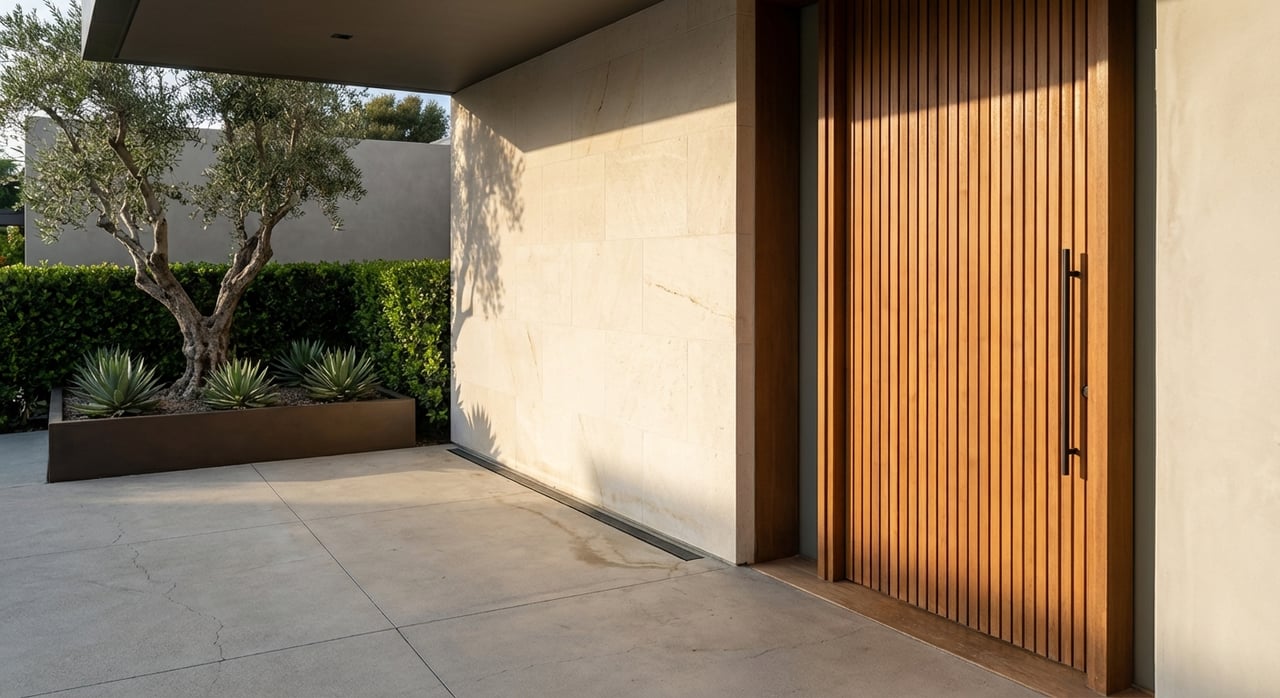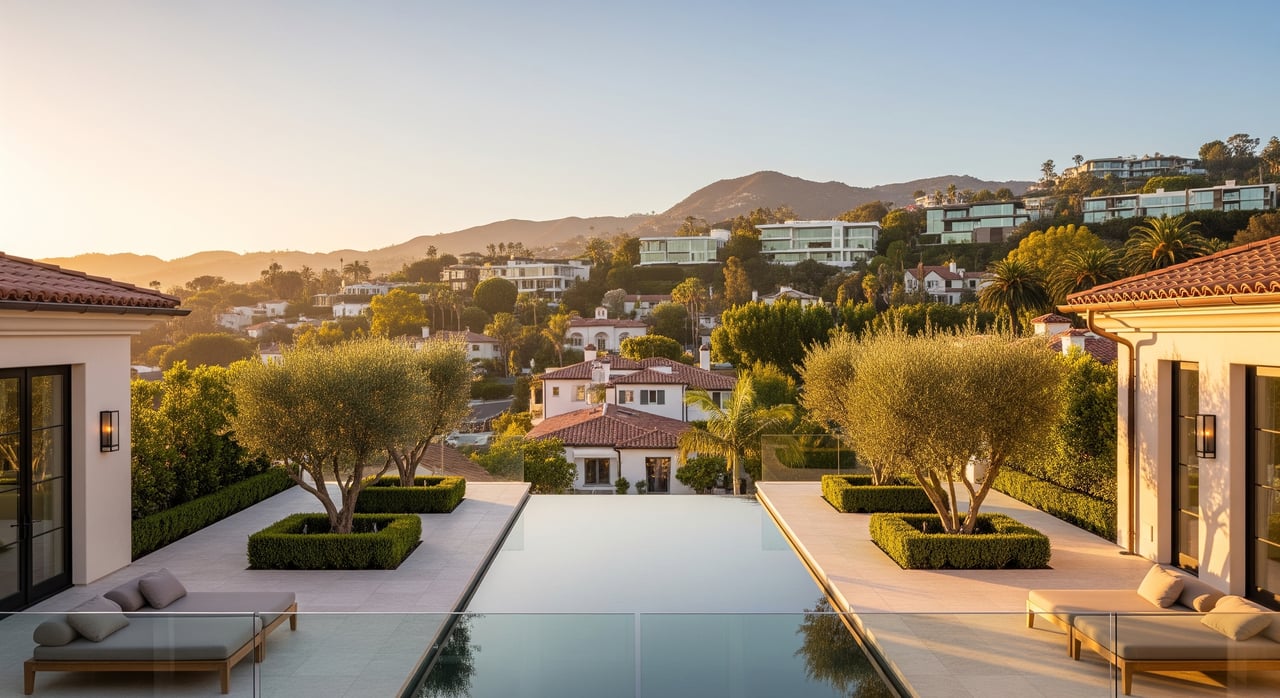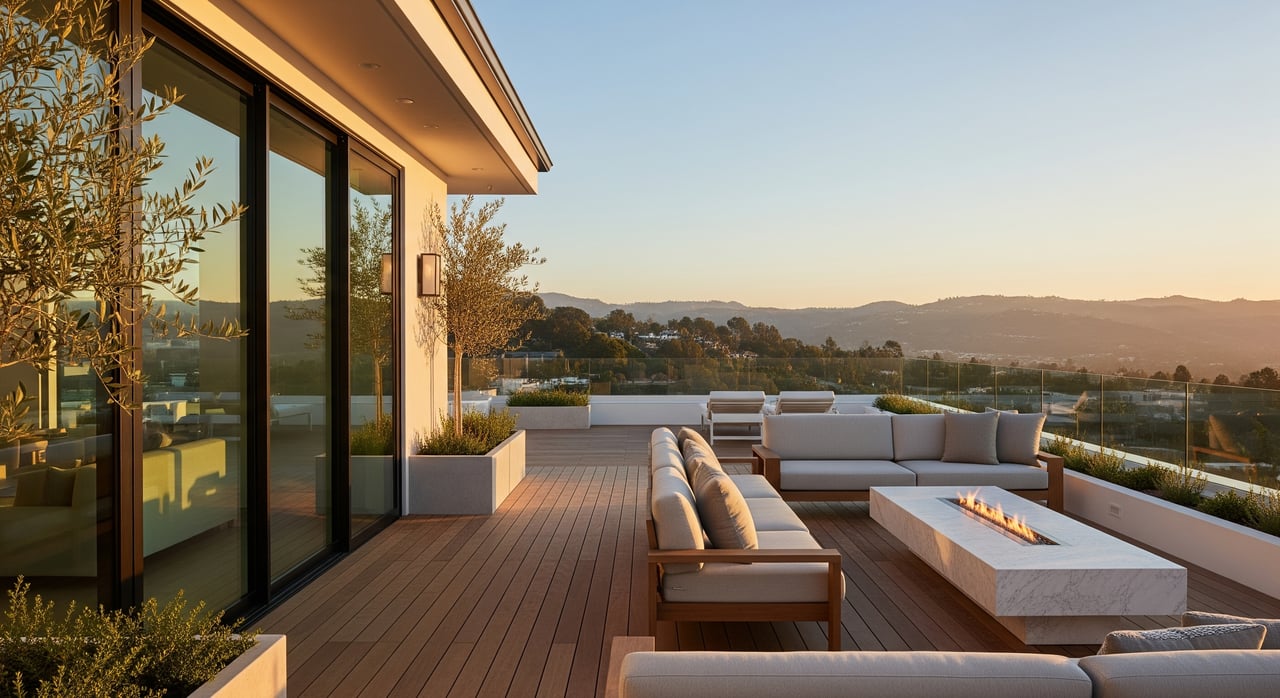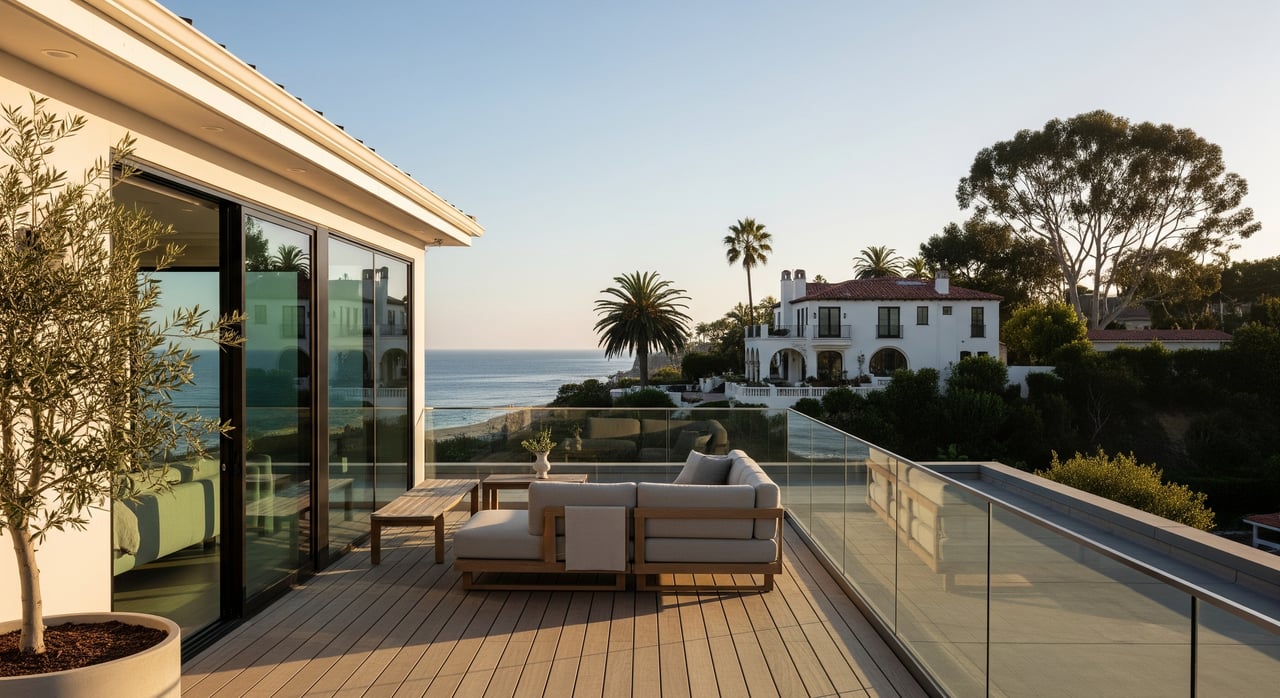
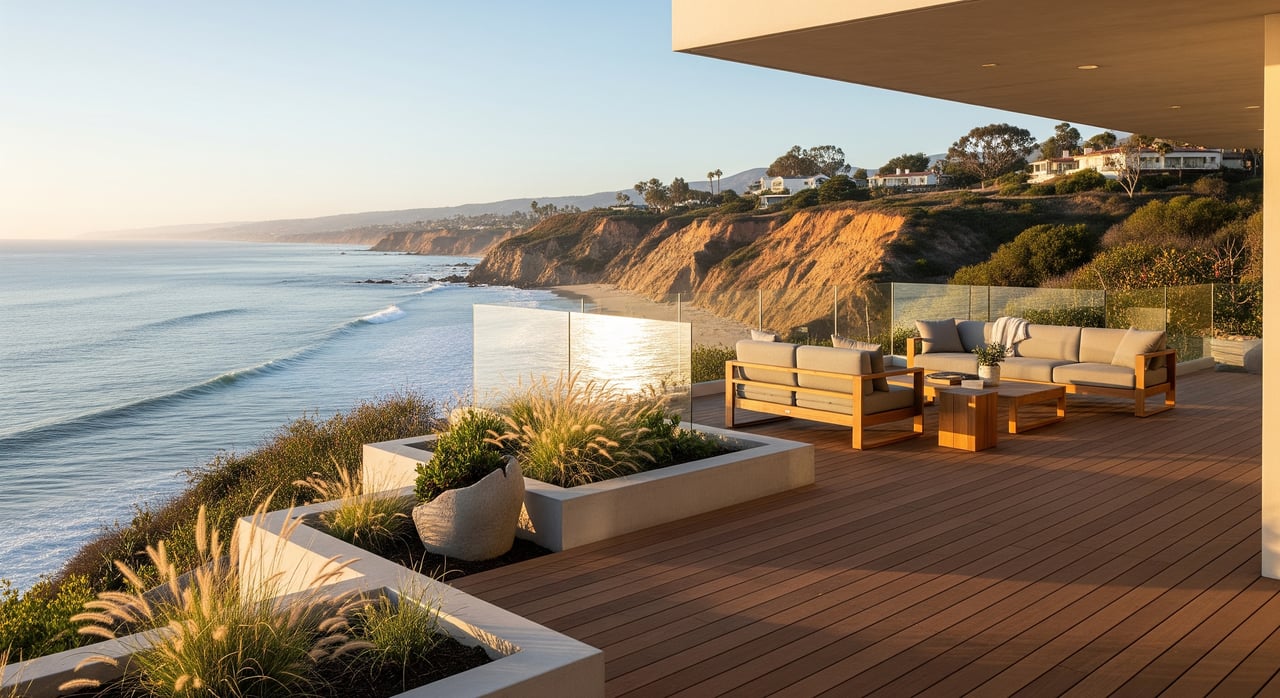
Some mornings you can watch the sun blaze over the mountains while a few blocks away the beach sits under a soft gray blanket. That is the Westside’s microclimate in action. If you are choosing between ocean-close Santa Monica and canyon-shaped Pacific Palisades, those subtle shifts can change how you live, entertain, and maintain your home. In this guide, you will learn what drives the differences, what you will feel day to day, and how to match a neighborhood to your lifestyle. Let’s dive in.
Microclimate drivers on the Westside
Marine layer basics
The marine layer is a shallow deck of cool, moist air and low clouds that forms over the ocean, especially in late spring and early summer during May Gray and June Gloom. It often builds overnight, peaks in the morning, and then thins or burns off by afternoon. You can track daily patterns in NWS Los Angeles and in their detailed local forecast discussions.
Sea breezes and daily wind cycle
As the land warms faster than the ocean, a daytime sea breeze develops and pushes cool air inland. At night, winds can ease or reverse as air drains downslope. The result is a reliable rhythm: cooler, cloudier mornings near the coast and a gentle onshore breeze through the afternoon.
Catalina eddy and topography effects
At times, a small clockwise circulation called the Catalina eddy forms over the coast. It can trap low clouds in parts of the basin and bend winds in unexpected ways. Local topography also matters. Bluffs rise quickly from the shoreline and can sit in or above the cloud deck. Canyons channel winds and sun, which creates warmer midday pockets or breezier ridge lines just a short drive from the beach.
Santa Monica vs Pacific Palisades
Coastal Santa Monica feel
- Strong ocean influence most of the year with frequent morning clouds in spring and early summer.
- Milder day-to-night swings and generally cooler daytime highs than areas just inland.
- Evenings tend to stay cool and breezy, which is great for a walk but can chill a dinner on the deck.
- Morning sun for rooftops and terraces can be limited until the layer clears.
Palisades bluffs and canyons
- More variety within a small area. Ridge and bluff homes can be wind exposed and sunny, while canyon interiors can feel sheltered.
- When the marine layer is shallow, elevated spots may sit in sunshine while lower coastal streets remain gray.
- Canyons often warm earlier in the day once the sun reaches in, yet can funnel afternoon winds in certain locations.
Temperature, wind, and cloud differences
On typical days, the difference between the beach and nearby canyons or ridges is often in the low to mid single digits Fahrenheit. Near the ocean, mornings are cooler and more humid. Canyon and ridge locations dry and warm faster once the sun is up.
Wind exposure shifts by block. Bluff and ridge homes in the Palisades can see stronger sustained winds or gusts, especially on pronounced onshore days or where a canyon funnels the flow. Canyon interiors are usually calmer, though gusts can show up near canyon mouths.
Clouds and fog shape views. Ocean-facing properties can wake to low stratus, while some elevated Palisades homes sit above the deck and enjoy direct morning sun. By mid to late afternoon, many days clear along the coast.
Seasonality you can plan around
- Spring to early summer: marine layer is most persistent. Expect more gray mornings and cool starts.
- Fall: often the clearest skies and warmest days along the coast and on the hills.
- Winter: passing storm systems bring cooler, wetter days and occasional canyon chill at night.
Daily life and outdoor living
Comfort and activity timing
- Beach mornings in Santa Monica are often coolest under the marine layer. Afternoons are the sweet spot for sun and warmth.
- Palisades trails and canyon rims can warm earlier, which is ideal for a sunny morning hike. Shaded canyon floors can stay pleasantly cool on hotter days.
- If you prefer morning sun for coffee on the terrace, an elevated or south-facing Palisades site will likely deliver it more often than a low coastal block.
Design for the elements
- Furniture and fabrics: coastal moisture in Santa Monica means mildew-resistant materials, quick-dry cushions, and breathable covers.
- Wind management: in exposed Palisades spots, use heavier furniture, add windbreaks, and consider screened pergolas or retractable panels to extend outdoor time.
- Landscaping: choose coastal-tolerant species near the ocean that handle fog and salt, and drought-tolerant, sun-hardy plants for warmer canyon locations.
Energy, solar, and HVAC
- Coastal homes often need less cooling but may benefit from humidity control. Above the marine layer or in sunny canyons, expect more daytime solar gain and potentially higher AC use in summer.
- Morning cloudiness can dampen early solar PV output on the coast. Sunny ridgelines or sites that sit above the stratus can improve production. Review general efficiency guidance from the California Energy Commission.
Maintenance and air quality
Persistent morning moisture and salt spray near the ocean accelerate corrosion on exterior metal and can age finishes faster. Plan for more frequent checks of fasteners, light fixtures, railings, and window seals. Inside, manage ventilation in bathrooms and crawlspaces to limit condensation and mildew.
Air quality at the coast benefits from onshore ventilation. During regional wildfire events, however, canyon topography can pull smoke upslope or hold it in certain drains when winds shift. For current conditions and advisories, consult the South Coast Air Quality Management District.
Risk profile and insurance
Wildfire exposure generally increases in canyon and foothill areas of the Santa Monica Mountains compared with flat, ocean-adjacent Santa Monica. Use the Cal Fire hazard map for a first look and discuss defensible-space needs, building materials, and insurance implications during due diligence.
Steep canyon slopes can present localized debris flow or erosion risks during heavy rains, especially after burns. Verify drainage and slope stability, and review resources from the Los Angeles County Department of Public Works. Coastal flooding concerns are highest on low-lying beachfront parcels, while bluff erosion is a longer-term issue near the cliff edge. For parcel elevations and mapping context, see Los Angeles County GIS maps.
How to choose your microclimate
Match lifestyle priorities
- Prefer crisp ocean air, easy beach access, and cooler midday temps: focus on coastal Santa Monica or lower-elevation blocks.
- Want earlier morning sun, more warmth, and big views: look to elevated Palisades neighborhoods and canyon rims.
- Value sheltered, quieter outdoor areas and privacy: consider canyon interiors, then weigh wildfire and drainage factors.
- Seeking reliable sunshine and photography-friendly light: homes that sit above the typical marine layer can be ideal.
Touring and diligence checklist
- Visit at different times of day to see cloud cover, wind, and sun angles. Morning and late afternoon are most revealing.
- Ask neighbors how often mornings stay gray in late spring and early summer.
- Note elevation and orientation. Are you likely above the morning stratus on typical days?
- Look for wind clues such as bent trees or scoured landscaping.
- Review wildfire history, evacuation patterns, and any past power shutoffs. Start with Cal Fire, then local records.
- Confirm drainage, slope stability, and any geotechnical reports if the home sits on or below a slope.
- Check HVAC sizing for the site’s sun exposure and consider humidity management near the ocean.
- Evaluate solar potential with eyes on morning shading and seasonal cloud behavior.
Work with a local advisory team
Choosing between ocean-cooled mornings and canyon sunshine is more than a mood. It shapes daily comfort, outdoor living, maintenance, energy use, and insurance. Our team pairs on-the-ground touring at the right times of day with data, maps, and neighborhood insight to align your home with the light, breeze, and views you prefer. If you are weighing Santa Monica against the Palisades, request a private consultation with BZ Group to explore a curated list of properties that match your ideal microclimate.
FAQs
What is the marine layer on the Los Angeles coast?
- A shallow, cool, moist air mass with low clouds that forms over the ocean, often peaking in the morning and thinning by afternoon in late spring and early summer.
How do Santa Monica and Pacific Palisades microclimates differ?
- Santa Monica is cooler and more humid in the morning with smaller temperature swings, while Palisades canyons and ridges see earlier sun, slightly warmer midday temps, and more wind variability.
When are skies clearest near Santa Monica and the Palisades?
- Fall often brings the clearest skies and warmest days, while late spring and early summer have more persistent morning clouds.
Will morning fog reduce solar panel output on the coast?
- Yes, early cloudiness can lower morning production, but total output depends on how often fog persists and your site’s sun exposure across the day.
Are Palisades canyon homes at higher wildfire risk than the beach flats?
- Generally yes, canyon and foothill areas have elevated wildfire exposure compared with ocean-adjacent flats, so review hazard maps, defensible space, and insurance options.
What should I look for when touring a windy ridge or bluff home?
- Check for wind signs, test outdoor spaces at peak afternoon breeze, and plan for windbreaks, heavier furniture, and screened pergolas if needed.