Do you picture strolling to dinner on Rodeo Drive, or watching the city lights from a quiet ridge above the canyons? In Beverly Hills, a few blocks can change how you live, what you can build, and how your home performs when you sell. If you are weighing the Flats against the Hills, you are really deciding which mix of walkability, privacy, and long‑term costs fits your life. This guide breaks down the trade‑offs so you can buy with clarity and confidence. Let’s dive in.
Flats vs. Hills at a glance
- Privacy and views: Hills lean private with sweeping vistas, Flats feel connected and active near commercial corridors.
- Buildability: Flats offer simpler, faster builds; Hills require more engineering and geotechnical work.
- Walkability: Flats enable short trips to shops, parks, and services; Hills are car‑dependent with steeper, winding roads.
- Architecture: Flats have more historic charm and neighborhood streetscapes; Hills feature custom estates and modern compounds.
- Pricing and liquidity: Flats attract a wider buyer pool and often sell faster; Hills skew pricier at the top, with longer market times for ultra‑luxury.
- Ownership costs: Hills can carry higher maintenance and insurance, especially for slope and drainage.
- Regulations: Hillside projects involve grading, soils studies, and drainage plans; Flats typically face fewer technical hurdles.
Topography and buildability
The Flats
Most parcels are level and more rectangular. A larger share of the lot is buildable, which makes remodels, ADUs, pools, and garage expansions more straightforward. Contractor access is simpler, which can shorten timelines and reduce costs.
The Hills
Lots are often irregular with terraces and retaining walls. Usable flat area is usually smaller than the total lot size. Major work generally requires grading, complex foundations, and geotechnical studies, which raise costs and extend schedules.
Why it matters: If you want predictable construction or a smoother path to a remodel, the Flats are typically simpler. Hillside projects can deliver dramatic results, but they demand more capital, expertise, and time.
Privacy, views and security
The Flats
You are closer to neighbors and near retail corridors like Rodeo Drive and Santa Monica Boulevard. Privacy depends more on landscaping, fencing, and thoughtful design. Street life and pedestrian activity feel more present.
The Hills
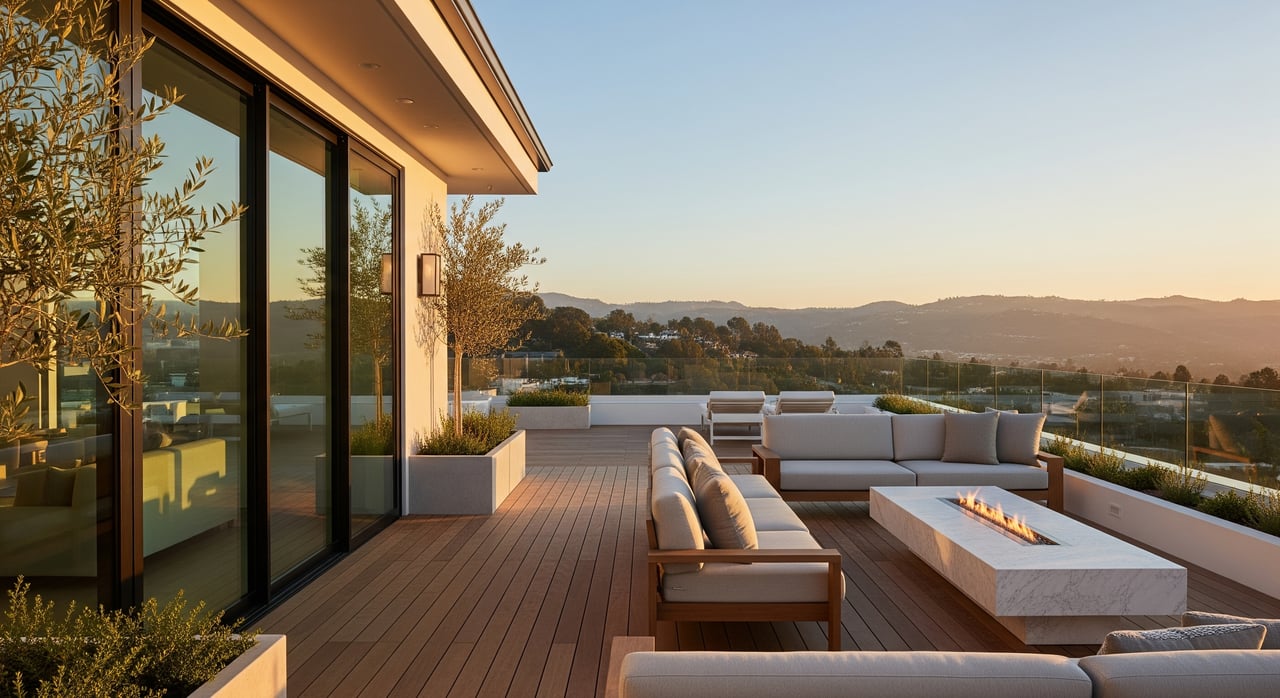
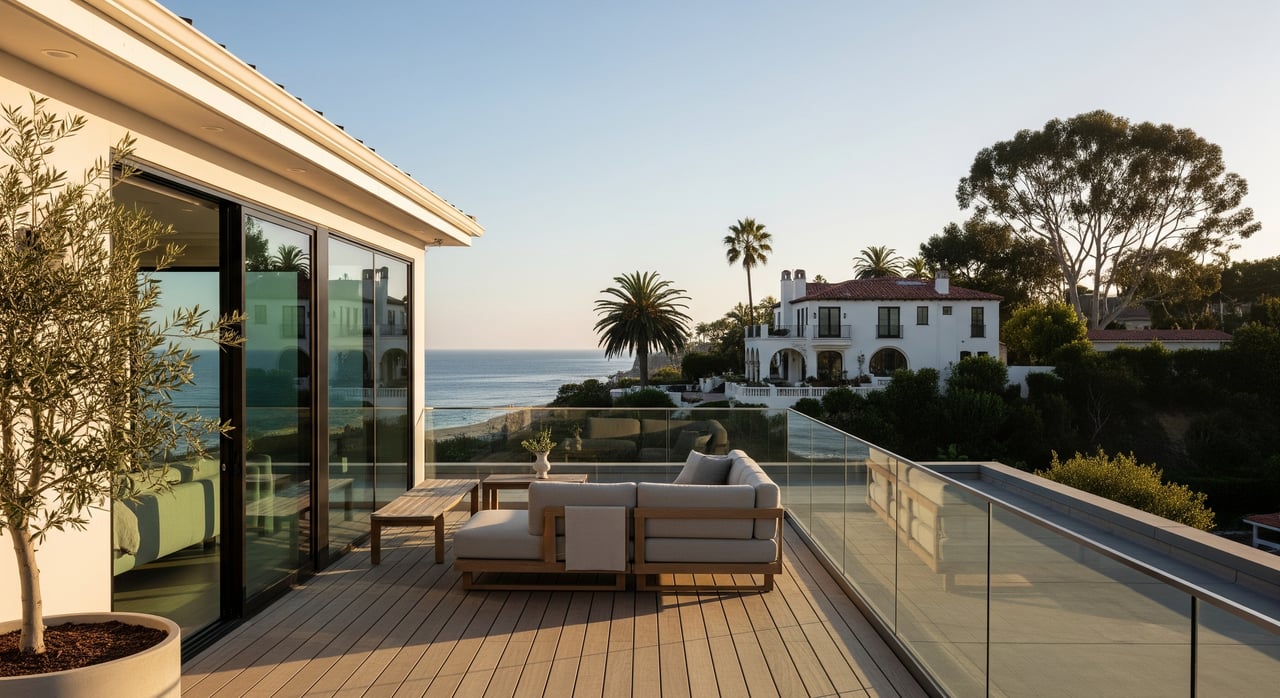
Elevation creates natural separation with long, gated drives and private entries. Many homes capture panoramic city or canyon views that high‑net‑worth buyers prize. The setting suits owners who value seclusion and controlled access.
Why it matters: Views and privacy are major value drivers. Iconic vistas in the Hills can command premiums, while central Flats locations trade on convenience and neighborhood energy.
Walkability and daily convenience
The Flats
Walk to dining, shopping, parks, schools, and service providers. Sidewalks and street parking are common, and daily errands are faster. Families often prefer this for school drop‑offs and activities.
The Hills
Most errands require a car. Roads are steeper and narrower, which can complicate guest parking and deliveries. Expect longer drives for everyday needs.
Why it matters: If you want an urban‑adjacent lifestyle with quick access, the Flats fit well. If privacy outweighs convenience, the Hills deliver.
Architecture and neighborhood character
The Flats
You will find historic period homes, mid‑century houses, and many updated interiors. The block pattern supports a classic neighborhood feel with mature streetscapes. Style variety appeals to a broad range of buyers.
The Hills
Custom estates dominate, including many large contemporary homes designed to frame views and indoor‑outdoor living. New‑build activity has been strong, with owners replacing older structures to optimize the site.
Why it matters: If you favor character homes and a traditional block, the Flats are a fit. If you want a trophy modern estate or a design‑led compound, the Hills offer more options.
Market pricing, liquidity and buyer pool
Flats: Entry points for single‑family homes are typically lower than the Hills, though still in the multi‑million‑dollar range. The buyer pool is broader, which usually means faster sales and steadier demand.
Hills: Prices often start higher and extend into the tens of millions for view estates. At the ultra‑luxury tier, the buyer pool narrows, and days on market can lengthen.
Bottom line: Liquidity favors the Flats, especially for families and professionals. The Hills can yield standout results at the top of the market, but timing and pricing are more sensitive to cycles.
Costs of ownership and insurance
- Maintenance: Hillside homes often have larger landscaping programs, more complex hardscape, and long driveways, which increase upkeep. Pools and hillside gardens add recurring costs.
- Insurance: Hillside coverage can be more expensive and may include exclusions related to slope or landslides. Earthquake insurance is a material consideration across Beverly Hills.
- Utilities and services: Steep, narrow roads can complicate trash, sewer, and utility access for hillside properties. Drainage and erosion control are ongoing priorities.
Tip: Obtain insurance quotes early and review exclusions. Compare operating budgets between properties before you make an offer.
Regulations and technical constraints
- Grading and geotechnical: Hillside remodels and additions typically require soils studies and city review. Findings can limit the scope of work or add mitigation costs.
- Retaining walls and drainage: Engineered walls, stormwater controls, and runoff rules are common in the Hills. These measures protect both the subject property and lower parcels.
- Preservation and overlays: Tree protections and, in some areas, historic overlays can affect removals and exterior changes. Check local ordinances in both Flats and Hills.
- Discretionary approvals: Hillside projects can trigger hearings or neighbor notifications that extend timelines.
- Short‑term rentals: Many LA County municipalities restrict or regulate short‑term rentals. Confirm current Beverly Hills rules before planning any rental strategy.
What it means for you: The Flats tend to be more predictable for permitting. The Hills reward preparation, a strong consultant team, and a realistic budget.
Schools and community services
Beverly Hills Unified School District serves the city. Families often value the Flats for shorter commutes and more direct pedestrian routes. For remote hillside addresses, fire and emergency access can be a consideration due to steeper roads and single entry points.
Note: If emergency access is a priority, evaluate driveway slope, turn radius, and gate systems during due diligence.
Investment factors that shape long‑term value
- View premium: Unobstructed city and canyon views can command significant premiums, but views are not guaranteed. Neighboring redevelopment can change sightlines.
- Scarcity: Central, level lots in the Flats are finite and broadly marketable. Unique hillside compounds are scarce and can appreciate differently within the ultra‑luxury tier.
- Redevelopment potential: The Flats support lower‑risk remodels and ADUs. The Hills allow transformational estates, but execution risk and carrying costs are higher.
- Market cycles: Ultra‑luxury hillside inventory is more sensitive to economic shifts. Flats often maintain steadier demand and shorter marketing times.
Which lifestyle fits you?
- The walkable family plan: Choose the Flats if you want easy school runs, quick access to parks and shops, and classic neighborhood blocks. You will likely enjoy simpler remodels and broader resale appeal.
- The privacy and view plan: Choose the Hills if you value seclusion, gated entries, and dramatic vistas. Expect more complex construction and higher operating costs, balanced by prestige and uniqueness.
Before you make an offer: due diligence checklist
- Order a current ALTA/land survey to verify lot lines, easements, and buildable area.
- Commission a geotechnical and soils report for hillside parcels early in the process.
- Review permit history and final inspections for past remodels, pools, ADUs, grading, and retaining walls.
- Conduct structural inspections focused on foundations, slope movement, and retaining elements.
- Obtain homeowner and earthquake insurance quotes and confirm any slope‑related exclusions.
- Evaluate driveway slope, gate automation, and service vehicle access; confirm emergency access.
- Verify utility connections, including sewer versus septic, water meter size, and drainage.
- Compare operating budgets for landscaping, pool, security, and any HOA or private road fees.
- Walk the block at different times to gauge noise, traffic, and street parking patterns.
How to move forward with confidence
Your choice between the Flats and the Hills should reflect how you live today and how you plan to exit later. If you want lower construction risk and broad resale appeal, the Flats are a reliable path. If you want privacy, gated presence, and signature views, the Hills deliver a singular lifestyle with greater complexity.
If you want a candid read on a specific address, our team can benchmark buildability, operating costs, and resale positioning so you can buy with conviction. When you are ready, connect with the BZ Group for a private, tailored plan.
FAQs
What is the main difference between Beverly Hills Flats and Hills?
- The Flats prioritize walkability, simpler lots, and neighborhood energy; the Hills emphasize privacy, elevation, and views with more complex construction and access.
Are hillside homes more expensive to maintain and insure in Beverly Hills?
- Often yes. Hillside properties can require more landscaping and drainage management, and insurance may cost more with slope‑related exclusions and separate earthquake coverage.
Is resale typically easier in the Beverly Hills Flats?
- Generally yes. The Flats attract a broader buyer pool and tend to have shorter marketing times, while ultra‑luxury hillside listings can take longer to sell.
What inspections are essential for a Beverly Hills hillside purchase?
- Prioritize a geotechnical and soils report, structural review of foundations and retaining walls, drainage and grading permit checks, and a complete permit history.
Do views always make a Hills property more valuable?
- Views can command strong premiums, but they are not guaranteed over time. Neighboring redevelopment can affect sightlines, and protective view easements are uncommon.
Which area is better for daily convenience and school logistics?
- The Flats typically offer shorter drives and more direct routes to schools, parks, and services, which many families prefer for daily routines.